
Ultimate Guide to Preventing Melasma with Sun Care
Mar 24, 2025
Rita Singha
Pregnancy Health
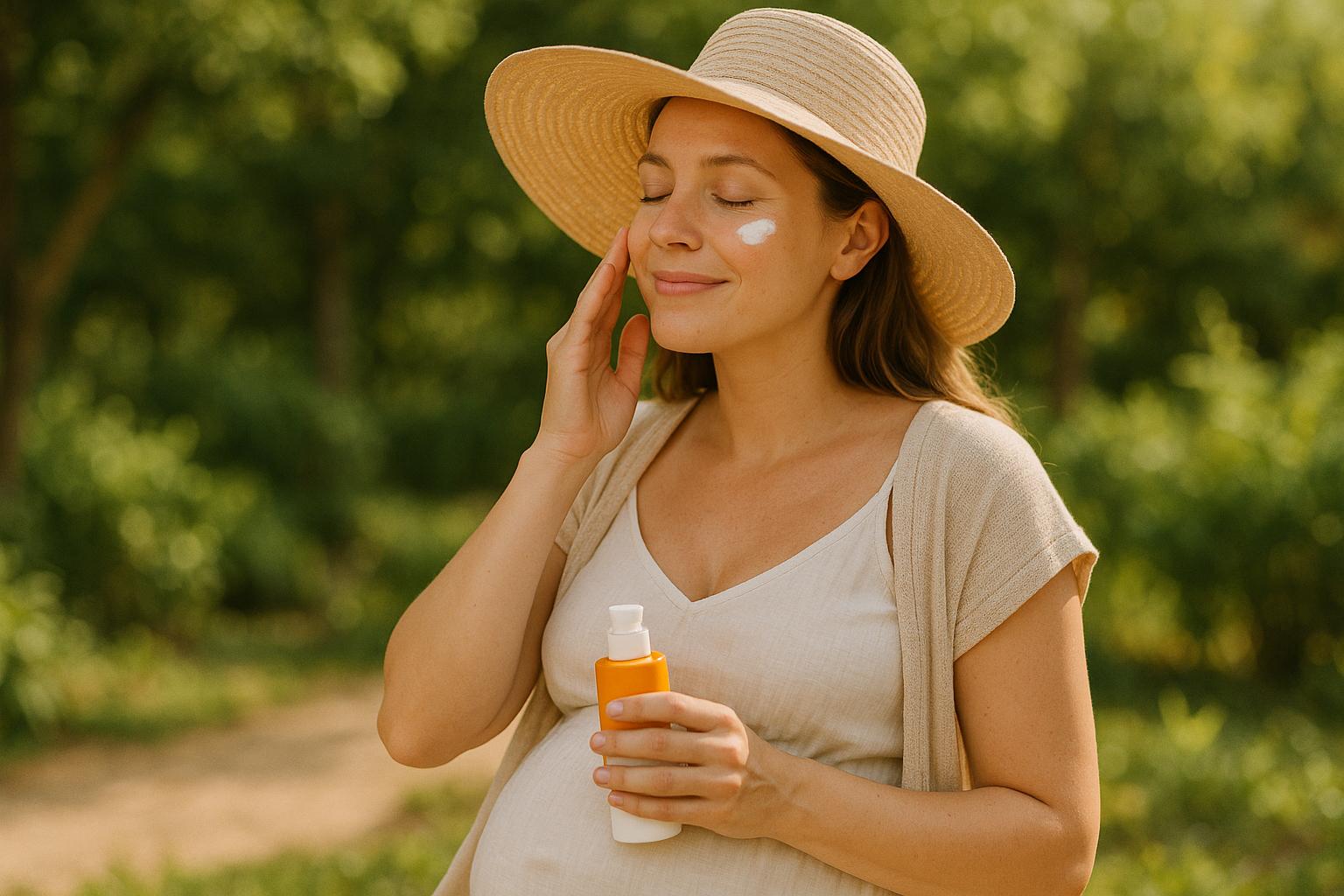
Melasma is a skin condition that causes dark patches, often triggered by pregnancy hormones and sun exposure. Here's how you can prevent it:
Use Sunscreen Daily: Apply a broad-spectrum SPF 50+ sunscreen every morning, even indoors. Reapply every 2 hours when outdoors.
Wear Protective Gear: Wide-brimmed hats, UV-blocking sunglasses, and UPF-rated clothing shield your skin from harmful rays.
Avoid Peak Sun Hours: Limit outdoor activities between 10:00 AM and 4:00 PM when UV rays are strongest.
Choose Pregnancy-Safe Products: Opt for mineral sunscreens with zinc oxide or titanium dioxide. Avoid chemical filters like oxybenzone.
Support Skin Health: Eat foods rich in antioxidants (vitamin C, E, omega-3s) and stay hydrated to reduce inflammation.
Manage Stress: Practice prenatal yoga, meditation, and maintain a consistent sleep routine to balance hormones.
These small, consistent actions can help protect your skin and reduce the risk of melasma during pregnancy.
Pregnancy Skin Care - Cure Melasma | Parents
What Causes Melasma During Pregnancy?
Melasma during pregnancy stems from a mix of hormonal shifts and environmental factors. While pregnancy hormones set the stage, exposure to sunlight often acts as the trigger that worsens the condition.
How Hormones Play a Role in Melasma
During pregnancy, your body experiences a surge in hormones like estrogen, progesterone, and melanocyte-stimulating hormone. These hormones ramp up melanin production, which leads to the dark patches characteristic of melasma. This condition often becomes noticeable during the second or third trimester, though it can appear earlier or even after delivery.
For many pregnant individuals, some degree of skin pigmentation is common, and melasma affects up to 70% of expectant mothers. These hormonal changes are a natural part of pregnancy, essential for your baby’s development, but they make your skin more prone to pigmentation issues. While you can’t control these internal changes, you can take steps to manage external factors - like sun exposure - that can make melasma worse.
The Impact of Sun Exposure on Melasma
Hormonal shifts during pregnancy also make your skin more sensitive to sunlight. UV radiation from the sun, including both UVA and UVB rays, penetrates the skin and stimulates even more melanin production. This compounds the effects of pregnancy hormones, creating the perfect environment for melasma to develop.
It’s worth noting that UVA rays can pass through glass, meaning you’re exposed even indoors or on overcast days. Visible light, such as high-energy light from screens and other sources, also contributes to facial pigmentation. This makes comprehensive sun protection - covering both UV and visible light - essential.
Your genetics and skin type also play a role. Those with darker skin tones or a family history of melasma are more likely to experience these dark patches when exposed to sunlight. While hormonal changes are unavoidable, consistent sun protection can significantly reduce your risk of developing or worsening melasma.
Sun Care Strategies to Prevent Melasma
Melasma can worsen with sun exposure, making consistent sun protection a must - especially during pregnancy. Here’s how to safeguard your skin and reduce the risk of melasma while expecting.
Apply Sunscreen Every Day
Daily sunscreen application is non-negotiable. Even indoors, UVA rays can penetrate windows and affect your skin. Opt for a broad-spectrum sunscreen with an SPF of 50 or higher to shield against both UVA and UVB rays. For added protection, choose tinted mineral sunscreens containing iron oxide, which also defend against visible light.
Use a nickel-sized amount on your face, ears, neck, and the delicate skin around your eyes each morning. If you’re outdoors, reapply every two hours - or more often if you’re sweating or swimming. Mineral sunscreens with zinc oxide and titanium dioxide are particularly safe during pregnancy, as they create a physical barrier without entering your bloodstream.
Wear Protective Clothing and Accessories
Adding physical barriers to your sun care routine provides extra peace of mind. Wide-brimmed hats that fully cover your face, ears, and neck are a great start. Pair them with UV-blocking sunglasses that filter out 99–100% of UVA and UVB rays. Wraparound styles or larger frames offer even better coverage for the sensitive skin around your eyes.
When it comes to clothing, lightweight, long-sleeved options with a high UPF (Ultraviolet Protection Factor) rating are ideal. Light-colored, tightly woven fabrics not only block harmful rays but also help you stay cool. Combining sunscreen with these protective measures is especially important if you have darker skin or a family history of melasma.
Stay Out of Peak Sun Hours
The sun’s UV rays are strongest between 10:00 AM and 4:00 PM, making this window particularly risky for melasma development. Whenever possible, schedule outdoor activities for early morning or late afternoon. If you have to be outside during peak hours, seek shade under trees or umbrellas and adjust your routine to limit direct sun exposure.
When avoiding peak hours isn’t an option, layer your defenses. Apply (and reapply) sunscreen, wear your hat and sunglasses, and stick to protective clothing. Keep a travel-size sunscreen handy for quick touch-ups throughout the day to ensure ongoing protection.
Start practicing these sun care habits early in pregnancy and stick with them to minimize melasma risks. Consistency is everything - make sun protection as automatic as brushing your teeth. For extra guidance, consider expert-led sessions like those offered by Rita's Pregnancy 101 to seamlessly integrate sun care into your daily routine.
Choosing Safe Sun Care Products During Pregnancy
Picking the right sunscreen during pregnancy can feel overwhelming, but it’s an essential step to protect both you and your baby. Pregnancy makes your skin more sensitive, and some sunscreen ingredients could pose risks. Knowing what to avoid - and what to choose - can make all the difference.
Ingredients to Avoid and Safer Choices
During pregnancy, it’s best to steer clear of chemical sunscreen ingredients. One of the most concerning is oxybenzone, which research suggests might disrupt hormones. With your body already navigating hormonal changes, this is something you don’t want to add to the mix. Other chemical filters, like avobenzone, octinoxate, and homosalate, can also be absorbed into your skin and may cause irritation or allergic reactions.
Instead, opt for sunscreens with zinc oxide or titanium dioxide. These mineral-based ingredients act as physical barriers, sitting on your skin to reflect UV rays rather than being absorbed into your bloodstream. Dermatologists and OB-GYNs often recommend these as the safest options for expectant mothers.
For extra protection, consider iron oxides, especially if you’re concerned about melasma (those pesky dark patches that love to show up during pregnancy). Iron oxides shield your skin from visible light, which can worsen pigmentation. Tinted mineral sunscreens that include iron oxides provide an added layer of defense.
To keep your skin healthy and hydrated, look for products with niacinamide, vitamin E, hyaluronic acid, and peptides. These ingredients support your skin barrier, help reduce pigmentation, and won’t pose risks during pregnancy.
Physical vs. Chemical Sunscreens: The Comparison
When it comes to pregnancy, understanding the differences between physical and chemical sunscreens can help you make the best choice.
Feature | Physical (Mineral) Sunscreens | Chemical Sunscreens |
|---|---|---|
Main Ingredients | Zinc oxide, titanium dioxide, iron oxides | Oxybenzone, avobenzone, octinoxate |
Safety in Pregnancy | Highly recommended, minimal absorption | May disrupt hormones, less recommended |
Protection | UV and visible light (with iron oxides) | Primarily UV, limited visible light protection |
Skin Sensitivity | Gentle on sensitive skin | May cause irritation or allergies |
Aesthetic Appeal | Can leave a white cast (unless tinted) | More transparent |
Recommendation | Best for pregnancy | Use cautiously, avoid specific ingredients |
Physical sunscreens are the clear winner when it comes to pregnancy safety. They provide immediate protection without interfering with hormones. Plus, modern tinted versions eliminate the old “white cast” problem, blending seamlessly with different skin tones. These sunscreens are also a great ally in the fight against melasma.
When shopping, look for labels that say "broad-spectrum" and SPF 30 or higher. Some pregnancy-safe options available in the U.S. include La Roche-Posay Anthelios Mineral, Blue Lizard Sensitive Mineral Sunscreen, and EltaMD UV Physical Broad-Spectrum SPF 41. These products rely solely on mineral ingredients and skip the questionable chemicals.
Be sure to double-check ingredient lists and avoid sunscreens that mix physical and chemical filters. For personalized advice, consult your healthcare provider or a prenatal skincare expert. Resources like Rita's Pregnancy 101 offer expert-led sessions to guide you in making safe skincare choices during this special time.
Adding Sun Care to Your Pregnancy Wellness Routine
Incorporating sun care into your daily pregnancy routine can be simple and natural. Think of it as just another part of your wellness habits - like taking your prenatal vitamins or sipping your morning water. Protecting your skin during this time is about more than just sunscreen; it’s about nurturing your overall well-being while supporting your skin health.
Make sun protection a self-care ritual. Start your day by applying a broad-spectrum, mineral-based sunscreen, and grab a wide-brimmed hat on your way out the door. Whether you're heading to a prenatal yoga class or enjoying a morning stroll, this small habit can make a big difference. Pair this with proper nutrition and hydration to give your skin the care it needs during this transformative time.
Support Sun Care with Good Nutrition and Hydration
What you eat and drink can play a big role in how your skin handles sun exposure and pregnancy-related changes like melasma. Antioxidant-rich foods help shield your skin from UV damage and reduce inflammation, which can worsen pigmentation. Add vitamin C–packed options like oranges, strawberries, bell peppers, and broccoli to your meals to boost collagen production and repair skin damage. Foods rich in vitamin E, such as nuts and seeds, also strengthen your skin’s defenses. Don’t forget omega-3 fatty acids from salmon, walnuts, or flaxseeds - they reduce inflammation and keep your skin barrier strong.
Leafy greens like spinach and kale are great for cell renewal, while berries provide antioxidants to combat oxidative stress. Even whole grains help by keeping your blood sugar levels steady, which can benefit your skin.
Hydration is equally important. Drinking enough water keeps your skin elastic and helps maintain its barrier, making it more resilient to environmental stressors like UV rays. Keep a water bottle handy, especially on days when you’re outdoors and reapplying sunscreen every two hours.
Manage Stress with Self-Care Practices
Stress doesn’t just affect your mood - it can also impact your skin. During pregnancy, chronic stress can disrupt hormonal balance and increase inflammation, which may worsen melasma. Managing stress is essential for maintaining healthy, even-toned skin.
Prenatal yoga is a great way to combine gentle movement, mindfulness, and stress relief. Deep breathing during yoga can help lower cortisol levels, and practicing indoors during peak sun hours (10:00 a.m. to 4:00 p.m.) naturally reduces UV exposure. Meditation and guided relaxation are also effective tools. Just 10–15 minutes a day can help regulate stress hormones and improve your sleep, both of which are vital for your skin and overall well-being.
If you’re looking for guidance, platforms like Rita's Pregnancy 101 offer expert-led online classes that fit seamlessly into your routine. With over 5,000 mothers giving the program an average rating of 4.8 stars, you can access prenatal yoga, meditation sessions, and trimester-specific advice - all from the comfort of your home.
"Yoga and meditation sessions transformed my pregnancy experience."
Priya Mehta
"The guidance and support I received made my pregnancy journey so much easier and stress-free."
Aarti Joshi
You can also combine stress management with sun care by meditating indoors or in shaded areas during peak UV hours. Save outdoor walks or light exercise for early mornings or evenings when the sun isn’t as strong.
Lastly, prioritize sleep. Lowering cortisol levels through a calming bedtime routine not only helps with stress but also supports overnight skin repair. Consider using a gentle moisturizer before bed to nourish your skin as you wind down for the night.
Key Points for Preventing Melasma
Preventing melasma starts with consistent sun protection and a focus on overall wellness. These steps lay the groundwork for maintaining healthy skin and reducing the risk of melasma.
Use a broad-spectrum mineral sunscreen with SPF 30 or higher every day - even indoors. UV rays can pass through windows, so protection is essential whether you're outside or not. Add extra layers of defense with wide-brimmed hats, sunglasses, and UV-protective clothing. If possible, stay indoors or seek shade during peak sun hours (10:00 a.m. to 4:00 p.m.), when UV exposure is at its highest.
Opt for sunscreens containing zinc oxide or titanium dioxide, and look for products with iron oxide tints to shield your skin from visible light. When you're outdoors, reapply sunscreen every two hours, and do so more often if you're swimming or sweating.
Boost your skin's defenses from the inside out with a diet rich in antioxidants. Nutrients like vitamin C, vitamin E, and omega-3 fatty acids can strengthen your skin's natural barriers and help reduce inflammation, which may exacerbate melasma. Staying hydrated is another simple but effective way to support your skin's health.
Managing stress is another important piece of the puzzle. Practices like prenatal yoga and meditation can help regulate hormonal fluctuations that often trigger melasma. Since melasma affects up to 70% of pregnant individuals and can persist in 30% of cases after delivery, starting these habits early can make a big difference in the long run.
If you're looking for guidance, programs like Rita's Pregnancy 101 offer a blend of expert-led prenatal classes and stress-relief techniques. With over 5,000 mothers rating the program an average of 4.8 stars, it’s a trusted resource for navigating pregnancy while protecting your skin and overall well-being.
"Yoga and meditation sessions transformed my pregnancy experience."
Priya Mehta
"The guidance and support I received made my pregnancy journey so much easier and stress-free."
Aarti Joshi
The secret to success is consistency. Make sun protection and wellness practices part of your daily routine - small, regular efforts can lead to lasting results.
FAQs
What’s the difference between mineral and chemical sunscreens, and why are mineral sunscreens safer during pregnancy?
Mineral sunscreens rely on physical blockers such as zinc oxide or titanium dioxide. These ingredients act like tiny shields, reflecting harmful UV rays away from your skin. On the other hand, chemical sunscreens use ingredients like avobenzone or oxybenzone, which absorb UV rays and transform them into heat.
For those who are pregnant, mineral sunscreens are often the go-to option. They tend to be milder on sensitive skin and are less likely to cause irritation or disrupt hormones. This makes them a safer way to protect both your skin and your baby from the damaging effects of the sun.
How can my diet and hydration help prevent melasma during pregnancy, and what foods should I focus on?
A balanced diet and staying hydrated can be incredibly helpful in managing melasma during pregnancy. Drinking enough water not only keeps your skin hydrated but also supports its elasticity and overall health. Pair that with nutrient-rich foods, and you’re giving your skin the tools it needs to stay healthy and radiant.
Try adding antioxidant-rich foods - like berries, spinach, and nuts - to your meals. These help fight free radicals that could worsen pigmentation. For a natural skin-brightening boost, include vitamin C-packed options such as oranges, strawberries, and bell peppers. And don’t overlook omega-3 fatty acids, found in salmon, walnuts, and flaxseeds, which may help reduce inflammation.
Of course, every pregnancy is unique, so it’s a good idea to check in with your healthcare provider or a nutritionist to ensure your diet is aligned with your specific needs.
How does managing stress help prevent melasma during pregnancy, and what are some simple ways to reduce stress?
Managing stress while pregnant plays a key role in reducing the chances of melasma. Stress can trigger hormonal shifts that may worsen skin pigmentation, so keeping stress under control helps maintain hormonal balance and lowers the risk of flare-ups.
To manage stress effectively, consider activities like prenatal yoga, meditation, deep breathing exercises, or adding mindfulness practices to your daily life. These techniques not only encourage relaxation but also contribute to emotional well-being - something every expectant parent deserves.